

The Ministry of Foreign Affairs announces a 30% reduction in passport fees, easing financial pressure on citizens and signalling a shift toward affordability and efficiency in public service delivery.
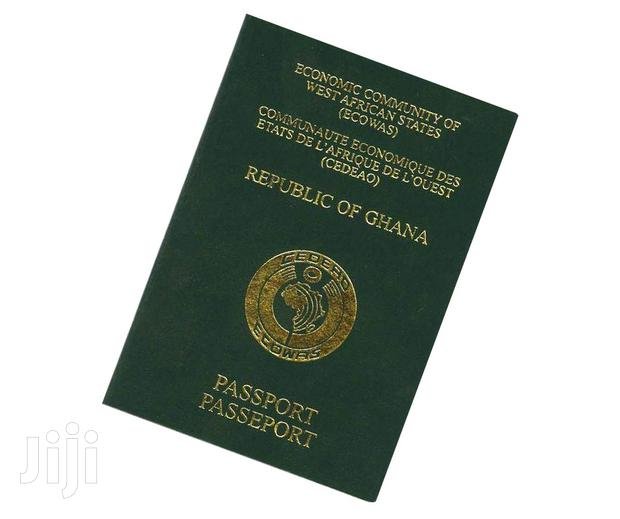
The Ministry of Foreign Affairs and Regional Integration has announced a reduction in the standard passport application fee from GHS 500 to GHS 350, a 30 percent decrease. The new fee structure is set to take effect on Thursday, November 13, 2025.
According to the Ministry, the decision forms part of ongoing efforts to make passport acquisition more affordable and to ease the financial burden on citizens. The adjustment follows months of public debate and criticism of the former administration’s pricing regime.
In 2024, the previous administration increased the cost of the standard passport application from GHS 100 to GHS 500, citing inflationary pressures and the rising cost of biometric systems, printing materials, and logistics. The hike was widely criticised by civil society groups, students, and labour unions, who argued that the fee increase effectively priced out low-income citizens from accessing basic travel documentation.
Public opinion polls conducted at the time by several policy institutes showed that a majority of Ghanaians viewed the previous rate as excessive, particularly when compared to other ECOWAS member states. Critics also accused the then-government of using passport issuance as a revenue-generation mechanism rather than a service to facilitate mobility and identification.
The current administration says the 30 percent reduction is aimed at restoring fairness and affordability. In a press briefing in Accra, a spokesperson for the Ministry stated that the government remains committed to “ensuring that every Ghanaian who requires a passport can obtain one without undue financial strain.”
Officials further explained that the ministry has undertaken reforms to improve operational efficiency and reduce overhead costs at passport application centres nationwide. These include the adoption of digital appointment systems, decentralised biometric capture facilities, and enhanced data security protocols to prevent fraud.
The policy change comes amid broader economic reforms designed to cushion citizens from the rising cost of living. Ghana’s economy, while showing signs of recovery, continues to grapple with inflationary pressures and currency depreciation. Analysts believe that reducing administrative costs such as passport fees can have a symbolic impact by reinforcing public confidence in the government’s fiscal responsiveness.
Economist and policy analyst Dr. Kofi Mensah noted that “the reduction is not only financial but psychological, it signals a government willing to listen and respond to public sentiment.” He added that improved passport accessibility could also enhance regional trade participation, labour mobility, and remittance inflows from Ghanaians abroad.
The Ministry of Foreign Affairs confirmed that the revised fee will apply to all new standard applications submitted from November 13, 2025, through the online Ghana.gov platform or designated Passport Application Centres. Expedited (premium) services will remain available at adjusted rates to be communicated soon.
The ministry also advised applicants to ensure that all documentation is completed accurately to avoid processing delays, emphasising that fraudulent intermediaries will face strict legal sanctions.
The passport fee reduction marks one of the administration’s major interventions in public service pricing. Observers say it may set the tone for similar cost reviews in other essential services, such as birth registration, driver’s licensing, and national identification.
While the long-term fiscal impact remains to be seen, the immediate public response has been largely positive, with many describing the move as “a welcome relief” amid ongoing economic challenges.